
The commands and guidance mentioned in the Qur’an and Sunnah are addressed to all Muslims, irrespective of their social class. Every Muslim is subject to these instructions, irrespective of their status or social position, as everyone is equal in their servitude to God. Despite our immense difference in status, even the Prophet ﷺ, the leader… Continue reading Where Should Women Perform I’tikaf?
Delhi is Still Far Away

Shaykh Nizamuddin Muhammad bin Ahmad bin Ali al-Badauni al-Dihlawi, known as “Awliya” (633-725 AH), was one of the most renowned scholars of India and among the great masters of the Chishti Sufi order. His ancestors hailed from the city of Bukhara, and they migrated to India, settling in the city of Badaun. Shaykh Nizamuddin was… Continue reading Delhi is Still Far Away
What is Your Sect?

Tonight marks the first night of Ramadan 1446 AH. In a hotel in Central London, I delivered an explanation of a few verses from Surah As-Saffat. The audience comprised individuals from all walks of life and various sects. They listened attentively to the lesson and asked numerous questions, to which I tried to provide satisfactory… Continue reading What is Your Sect?
Introduction

All praise is due to Allah, Who taught by the pen, taught man that which he knew not. Peace and blessings be upon our master Muhammad, the most eloquent speaker of Arabic, and upon his family, companions, and those who follow them in excellence until the Day of Judgment. The Arabic literary tradition, in its… Continue reading Introduction
The Study of the Masnavi in the Indian Subcontinent
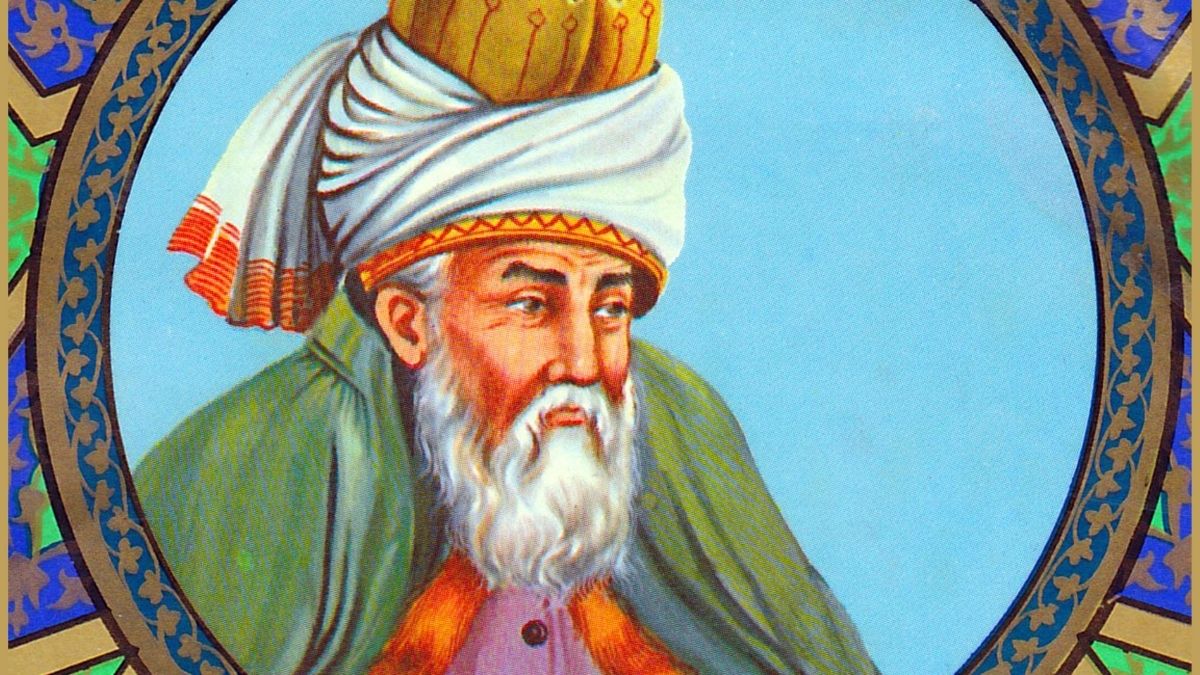
Mawlana Jalal al-Din Rumi (604/1207–672/1273) was not only a great poet of Persian literature but also a profound thinker whose ideas and philosophy sparked spiritual and intellectual movements worldwide. His teachings had a deep impact on the Indian subcontinent, where his concepts resonated with Sufis, scholars, poets, and the common people alike. His Masnavi is… Continue reading The Study of the Masnavi in the Indian Subcontinent
Is Analogy/Comparison a Proof?

Analogy (تشبیہ) refers to equating one thing with another, such as saying: “Maulana Azad’s prose is as sweet as honey.” There are four essential elements in an analogy: The Subject of Analogy (مشبه) – the thing being compared (e.g., Maulana Azad’s prose). The Object of Analogy (مشبه به) – the thing it is compared to… Continue reading Is Analogy/Comparison a Proof?
The One Who Assumes a Hidden Identity

Two birds sat on the branch of a large tree, singing and glorifying their Lord. As they enjoyed their moment, they noticed a man approaching them. One of the birds said to its companion, “Let us fly and soar into the sky, for I fear that this one approaching us will kill us.” The other… Continue reading The One Who Assumes a Hidden Identity
The Meaning of “إياك نستعين”

Seeking assistance is general in all matters; we seek our Lord’s help in performing good deeds and refraining from evil. This is an observance of etiquette, for we do not say, “Help us because we worship You,” but rather we mention the means of worship as a form of indirect expression. Likewise, our saying, “وإياك… Continue reading The Meaning of “إياك نستعين”
Eyes Were Created to See You

Eyes behold the smallest specks and towering mountains, they gaze upon bustling cities and desolate ruins, they witness the moon and stars, they stare at the dazzling sun—yet, their thirst remains unquenched, their wonder never ceases. The heavens seem hostile, the earth belongs to strangers, and the entire world appears scattered like dust. O Creator… Continue reading Eyes Were Created to See You
The Meaning of “Indeed, You Used to Come to Us from the Right”

بِسْمِ ٱللَّهِ ٱلرَّحْمَٰنِ ٱلرَّحِيمِ Allah Almighty says: “And they will approach one another, questioning. They will say, ‘Indeed, you used to come to us from the right.’ They will reply, ‘Rather, you were not believers. And we had no authority over you, but you were a transgressing people.’” (Surah As-Saffat, 27-30) This passage describes a… Continue reading The Meaning of “Indeed, You Used to Come to Us from the Right”