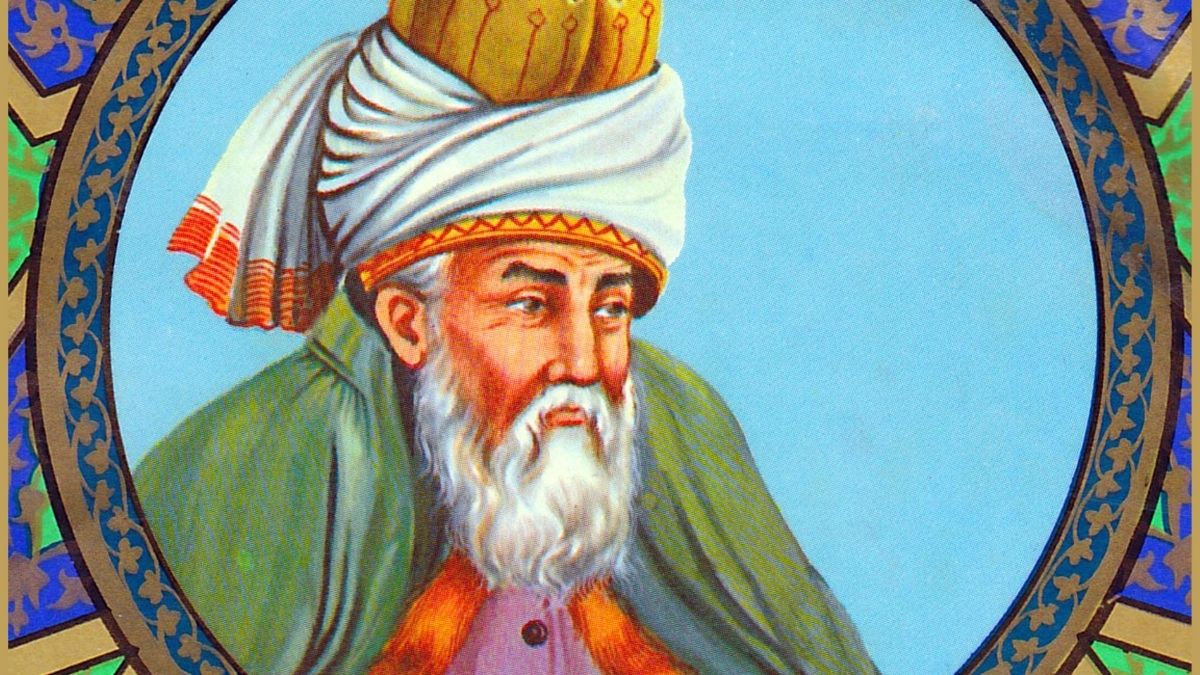
Mawlana Jalal al-Din Rumi (604/1207–672/1273) was not only a great poet of Persian literature but also a profound thinker whose ideas and philosophy sparked spiritual and intellectual movements worldwide. His teachings had a deep impact on the Indian subcontinent, where his concepts resonated with Sufis, scholars, poets, and the common people alike. His Masnavi is… Continue reading The Study of the Masnavi in the Indian Subcontinent
Is Analogy/Comparison a Proof?

Analogy (تشبیہ) refers to equating one thing with another, such as saying: “Maulana Azad’s prose is as sweet as honey.” There are four essential elements in an analogy: The Subject of Analogy (مشبه) – the thing being compared (e.g., Maulana Azad’s prose). The Object of Analogy (مشبه به) – the thing it is compared to… Continue reading Is Analogy/Comparison a Proof?
The One Who Assumes a Hidden Identity

Two birds sat on the branch of a large tree, singing and glorifying their Lord. As they enjoyed their moment, they noticed a man approaching them. One of the birds said to its companion, “Let us fly and soar into the sky, for I fear that this one approaching us will kill us.” The other… Continue reading The One Who Assumes a Hidden Identity
The Meaning of “إياك نستعين”

Seeking assistance is general in all matters; we seek our Lord’s help in performing good deeds and refraining from evil. This is an observance of etiquette, for we do not say, “Help us because we worship You,” but rather we mention the means of worship as a form of indirect expression. Likewise, our saying, “وإياك… Continue reading The Meaning of “إياك نستعين”
Eyes Were Created to See You

Eyes behold the smallest specks and towering mountains, they gaze upon bustling cities and desolate ruins, they witness the moon and stars, they stare at the dazzling sun—yet, their thirst remains unquenched, their wonder never ceases. The heavens seem hostile, the earth belongs to strangers, and the entire world appears scattered like dust. O Creator… Continue reading Eyes Were Created to See You
The Meaning of “Indeed, You Used to Come to Us from the Right”

بِسْمِ ٱللَّهِ ٱلرَّحْمَٰنِ ٱلرَّحِيمِ Allah Almighty says: “And they will approach one another, questioning. They will say, ‘Indeed, you used to come to us from the right.’ They will reply, ‘Rather, you were not believers. And we had no authority over you, but you were a transgressing people.’” (Surah As-Saffat, 27-30) This passage describes a… Continue reading The Meaning of “Indeed, You Used to Come to Us from the Right”
The Meaning of “Indeed, We Offered the Trust to the Heavens and the Earth”

Allah Almighty says: “Indeed, We offered the Trust to the heavens and the earth and the mountains, and they declined to bear it and feared it; but man [undertook to] bear it. Indeed, he was unjust and ignorant.” (Surah Al-Ahzab, verse 72) The term “trust” (الأمانة) refers to fulfilling and safeguarding rights. In this verse,… Continue reading The Meaning of “Indeed, We Offered the Trust to the Heavens and the Earth”
Do not rejoice, O Palestinians!

Israeli prisoners were released, and their families rejoiced. Their companions and loved ones celebrated their freedom with great joy. However, when Palestinians were freed, a tyrannical order was issued: “Do not rejoice, O Palestinians!” Obstacles and barriers were placed to prevent their celebrations, and schemes were devised to turn their joy into calamities. This reminded… Continue reading Do not rejoice, O Palestinians!
Do Not Contend with God

In your kitchen, you may have all the ingredients for biryani—meat, rice, oil, onions, salt, spices, and so on—but the biryani will not cook itself. It is your will that unites these components into a whole, transforming them from individual ingredients into a composite dish. This will is the driving force that sets things into… Continue reading Do Not Contend with God
Comparison Between Shah Waliullah Dehlavi and Mawlana Abdul Hamid al-Farahi
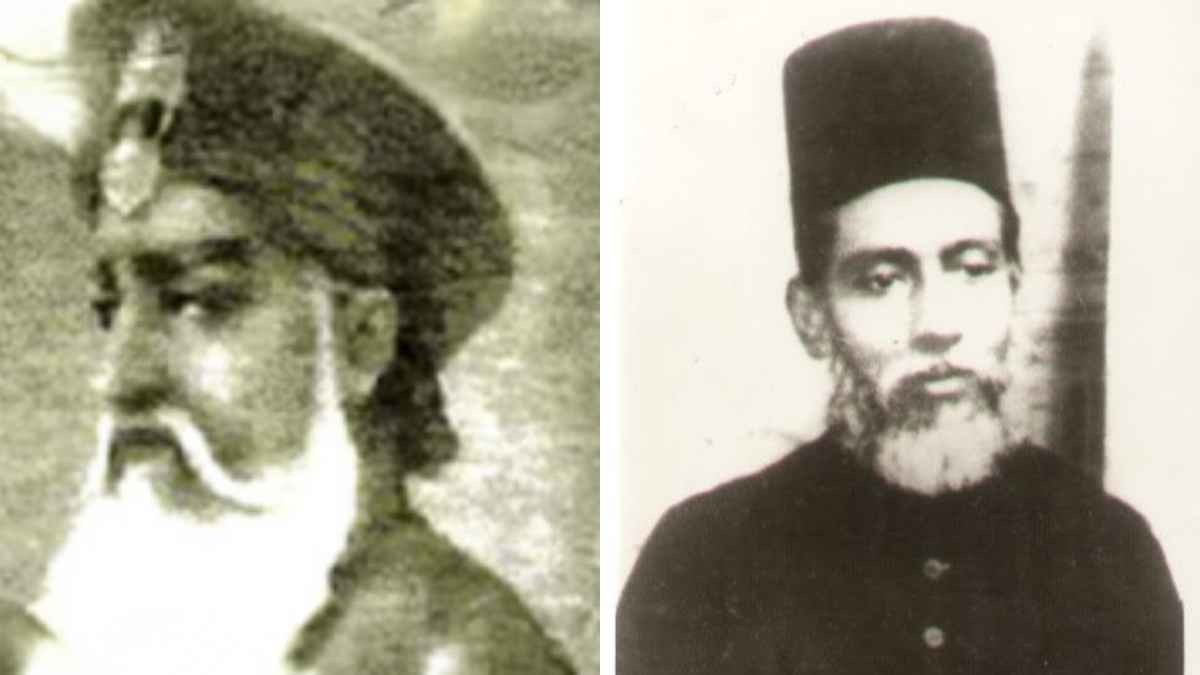
Introduction Sayyid Usman Khan, a PhD student from New Jersey, USA, wrote to me: “Assalamu ‘Alaikum, Mawlana! I hope you are well. A question came to mind: Could you write an article about the similarities and differences between Shah Waliullah and Mawlana al-Farahi, particularly concerning the Qur’an? Such an article would be extremely beneficial for… Continue reading Comparison Between Shah Waliullah Dehlavi and Mawlana Abdul Hamid al-Farahi