
Necessary knowledge and inferential knowledge Al-Ḥāfiẓ Ibn Ḥajar said in Nuzhat al-Naẓar, his commentary on Nukhbat al-Fikar: “And this is the relied upon view: that a report conveyed by tawātur imparts necessary knowledge, which is the kind of knowledge that a human being is compelled to accept such that it is impossible for him to… Continue reading The Continuity of Transmission (al-Tawātur) in Ḥadīth
The Science of History is the Key to the Science of Ḥadīth

The science of ḥadīth is, in essence, that great repository of reports and history which, by its very nature and reality, holds an unparalleled position among all the sciences of the world. It is a treasury of knowledge that elevated human consciousness, religious insight, and scholarly investigation to such lofty heights as have no equivalent… Continue reading The Science of History is the Key to the Science of Ḥadīth
Classification of Ḥadīth
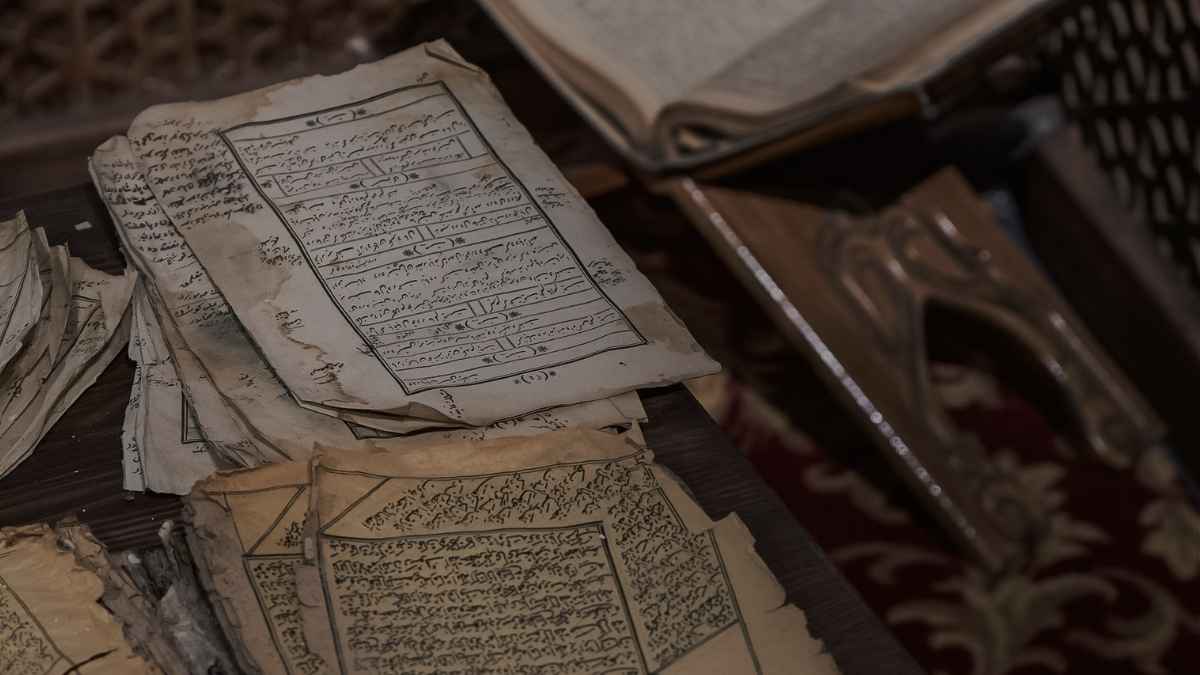
Introduction: When a Hindu is told that Ayodhya is the birthplace of Rām, his heart overflows with love and reverence for that land, and he becomes restless to perform rituals of worship there. He regards it as a religious matter, forgetting that before it can be treated as a religious issue, it is first a… Continue reading Classification of Ḥadīth
What is History?

The discipline of history is among those foundational sciences without which it is difficult to regard anyone as truly learned. There are three such sciences: adab (literature), tārīkh (history) and falsafah (philosophy). Each of them plays a fundamental role in shaping human consciousness. The focus of our discussion here, however, is history. History is not… Continue reading What is History?
Correcting Hadith Errors on the Basis of al-Bukhārī and Historical Research

Introduction “Ḥadīth is a kind of history.” On this theme I have written a number of articles in Arabic and Urdu. Scholars and students of ḥadīth from the Arab world and the wider Muslim community have written to me that these articles have helped them to understand the reality of ḥadīth, and why the methodology… Continue reading Correcting Hadith Errors on the Basis of al-Bukhārī and Historical Research
Sharing Halwa in Return
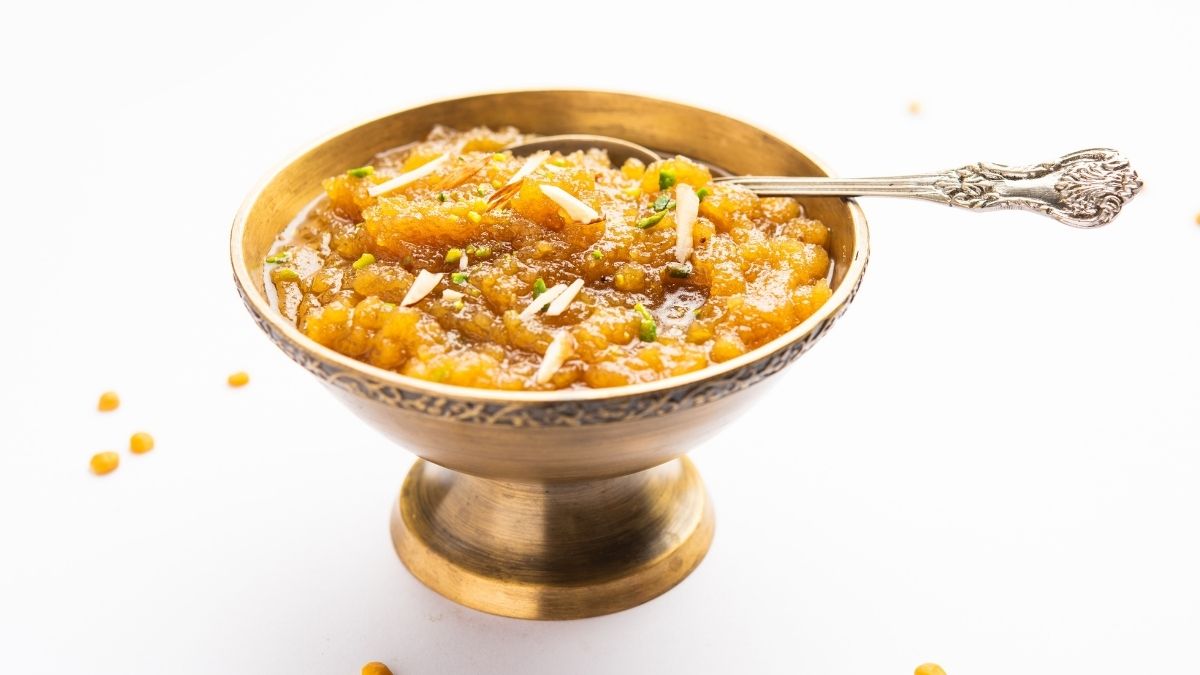
On Wednesday, the 26th of Ṣafar, 1446 Hijrī, I went, as usual, to the hotel restaurant for breakfast. The place was alive with its usual bustle when suddenly my eyes fell upon our dear student and respected friend, Muḥammad ʿAlī Rasūl, sitting quietly in a corner, sipping coffee. His solitude was not mere solitude; he… Continue reading Sharing Halwa in Return
The Tale of the Fox’s Tail is False

One day I was giving a lesson to my students. The topic was envy (ḥasad), and I wanted its evil reality to be impressed upon their hearts and minds. Dry admonition alone seldom leaves an impact. So, I began with a story: It is said that a fox once lost its tail. When it came… Continue reading The Tale of the Fox’s Tail is False
Folding of Space and Time

ʿAllāmah ʿAbd al-Wahhāb al-Shaʿrānī reports in Lawāqiḥ al-anwār fī ṭabaqāt al-akhyār that his own shaykh, ʿAlī al-Khawwāṣ, would be seen at the time of ẓuhr in his shop in Miṣr (Cairo). Yet no one ever saw him perform the prayer there. When asked why he did not pray ẓuhr, he would remain silent. Later, however,… Continue reading Folding of Space and Time
Why do you use your mind?
It was a blessed Friday morning, 21 Ṣafar 1447 AH, when we set out at nine o’clock on the train bound for al-Madīnah al-Ṭayyibah. Those moments carried within them a spiritual attraction, as though every particle of the air was infused with luminous fragrance, and an unseen elation spread across the heart and mind. Among… Continue reading Why do you use your mind?
Principles of Discussion

The fundamental principle of research and scholarly discourse is to understand correctly the relationship between language and meaning. In any investigation or intellectual debate, the first step is to recognise clearly that the word and its meaning are not one and the same. When we utter a word, it does not in itself contain the… Continue reading Principles of Discussion