Principles and applications
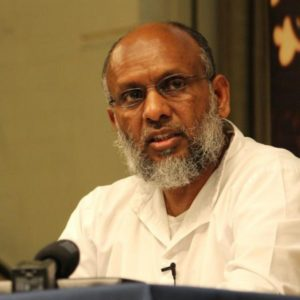

Shaykh Akram Nadwi
Shaykh Akram Nadwi

Muhaddith & Islamic Scholar

March 7, 2020
Placeholder Image

Principles and applications

by: Dr Mohammad Akram Nadwi
Oxford

Both general principles and concrete applications must be learnt together for creation to fulfil its Creator’s purpose. If you don’t learn how to interpret an engineering design into an engineered object, then all your engineering skills will be spent on repeating a limited number of engineered objects. So, for example, a craftsman may produce the most beautiful carved wooden table, expressing years of patience, careful practice. He may be able to scale this application so that he can make the same table in different sizes. But if we ask him to produce a chair or cupboard, he may not be able to adapt his wonderful skills to do so, because he does not have the principles of how to get from design to object generally, he only understands it for his kind of table.

This problem is widespread in the life of individuals and institutions: inability to be curious about the principles and purposes within and behind known instructions, so that only particular applications of those instructions are repeated over and over regardless of content and regardless of the harmful consequences of failing to learn and adapt.

Some examples. To begin with an example of diligent practice detached from any general principle or purpose: the huge effort some Muslims put into dhikr and wird rituals or other devotional exercises. There is no transferability between whatever is gained in these exercises and everyday life. For example, a man after doing such exercises may feel better in himself emotionally at ease, some sort of peace – all things worth having – but there is no certainty that he is therefore a better father to his children, a better companion to his wife, or a more just actor in the many transactions of daily routine. For this reason, his effort remains detached; for all practical purposes he is removed, as if to a distant location, from all the places in which the ordinary business of his life happens. Precisely for that reason his effort becomes more of a ritual, less of a practice.

Another example. The general purpose of salah is to remind oneself to be present before Allah, to do this in congregation thus encouraged by and encouraging others to do the same, and to do this at times not decided by one’s own convenience. For this purpose, the worshipper must strive to be present, to be attentive, in the prayer. Sadly, on many occasions, a worshipper is present at the prayer, not in it. To the extent that this happens, the effort to attend salah is weakened because the desire for it is weakened, and this can affect others. More importantly, the high purpose of being present, of being gathered, before Allah is not served, and the salah becomes a tired and tiring ritual.

References & Further Reading
  • Placeholder Image

    The limits of religious debate

    The limits of religious debate By: Dr Mohammad Akram Nadwi Oxford 23/12/2025 Religious debate has long been employed…

    Placeholder Image

    In the Name of Allah, the Most Gracious, the Most Merciful

    In the Name of Allah, the Most Gracious, the Most Merciful *An Educational Journey* 29 Jumada al-Thani –…

    Placeholder Image

    An overview of the Hijrah

    An overview of the Hijrah By: Dr Mohammad Akram Nadwi Oxford 19/12/2025 The meaning of the experience of…

    Placeholder Image

    Islam, freedom of religion, and human rights

    Islam, freedom of religion, and human rights By Dr Mohammad Aram Nadwi Oxford 17/12/2025 Question: السلام عليكم ورحمة…

    Leave a comment

    Your email address will not be published. Required fields are marked *

    Principles and applications

    Shaykh Akram Nadwi
    Shaykh Akram Nadwi

    Muhaddith & Islamic Scholar

    March 7, 2020
    Placeholder Image

    By Dr. Mohammad Akram Nadwī

    Both general principles and concrete applications must be learnt together for creation to fulfil its Creator’s purpose. If you don’t learn how to interpret an engineering design into an engineered object, then all your engineering skills will be spent on repeating a limited number of engineered objects. So, for example, a craftsman may produce the most beautiful carved wooden table, expressing years of patience, careful practice. He may be able to scale this application so that he can make the same table in different sizes. But if we ask him to produce a chair or cupboard, he may not be able to adapt his wonderful skills to do so, because he does not have the principles of how to get from design to object generally, he only understands it for his kind of table.

    This problem is widespread in the life of individuals and institutions: inability to be curious about the principles and purposes within and behind known instructions, so that only particular applications of those instructions are repeated over and over regardless of content and regardless of the harmful consequences of failing to learn and adapt.

    Some examples. To begin with an example of diligent practice detached from any general principle or purpose: the huge effort some Muslims put into dhikr and wird rituals or other devotional exercises. There is no transferability between whatever is gained in these exercises and everyday life. For example, a man after doing such exercises may feel better in himself emotionally at ease, some sort of peace – all things worth having – but there is no certainty that he is therefore a better father to his children, a better companion to his wife, or a more just actor in the many transactions of daily routine. For this reason, his effort remains detached; for all practical purposes he is removed, as if to a distant location, from all the places in which the ordinary business of his life happens. Precisely for that reason his effort becomes more of a ritual, less of a practice.

    Another example. The general purpose of salah is to remind oneself to be present before Allah, to do this in congregation thus encouraged by and encouraging others to do the same, and to do this at times not decided by one’s own convenience. For this purpose, the worshipper must strive to be present, to be attentive, in the prayer. Sadly, on many occasions, a worshipper is present at the prayer, not in it. To the extent that this happens, the effort to attend salah is weakened because the desire for it is weakened, and this can affect others. More importantly, the high purpose of being present, of being gathered, before Allah is not served, and the salah becomes a tired and tiring ritual.

    References & Further Reading
  • Placeholder Image

    The limits of religious debate

    The limits of religious debate By: Dr Mohammad Akram Nadwi Oxford 23/12/2025 Religious debate has long been employed…

    Placeholder Image

    In the Name of Allah, the Most Gracious, the Most Merciful

    In the Name of Allah, the Most Gracious, the Most Merciful *An Educational Journey* 29 Jumada al-Thani –…

    Placeholder Image

    An overview of the Hijrah

    An overview of the Hijrah By: Dr Mohammad Akram Nadwi Oxford 19/12/2025 The meaning of the experience of…

    Placeholder Image

    Islam, freedom of religion, and human rights

    Islam, freedom of religion, and human rights By Dr Mohammad Aram Nadwi Oxford 17/12/2025 Question: السلام عليكم ورحمة…